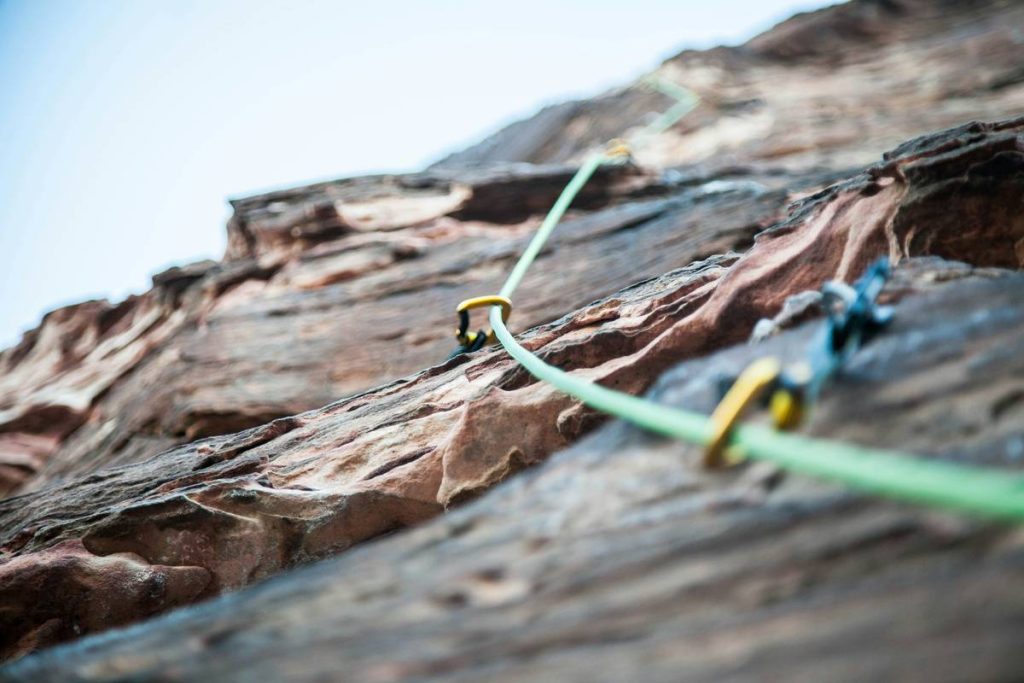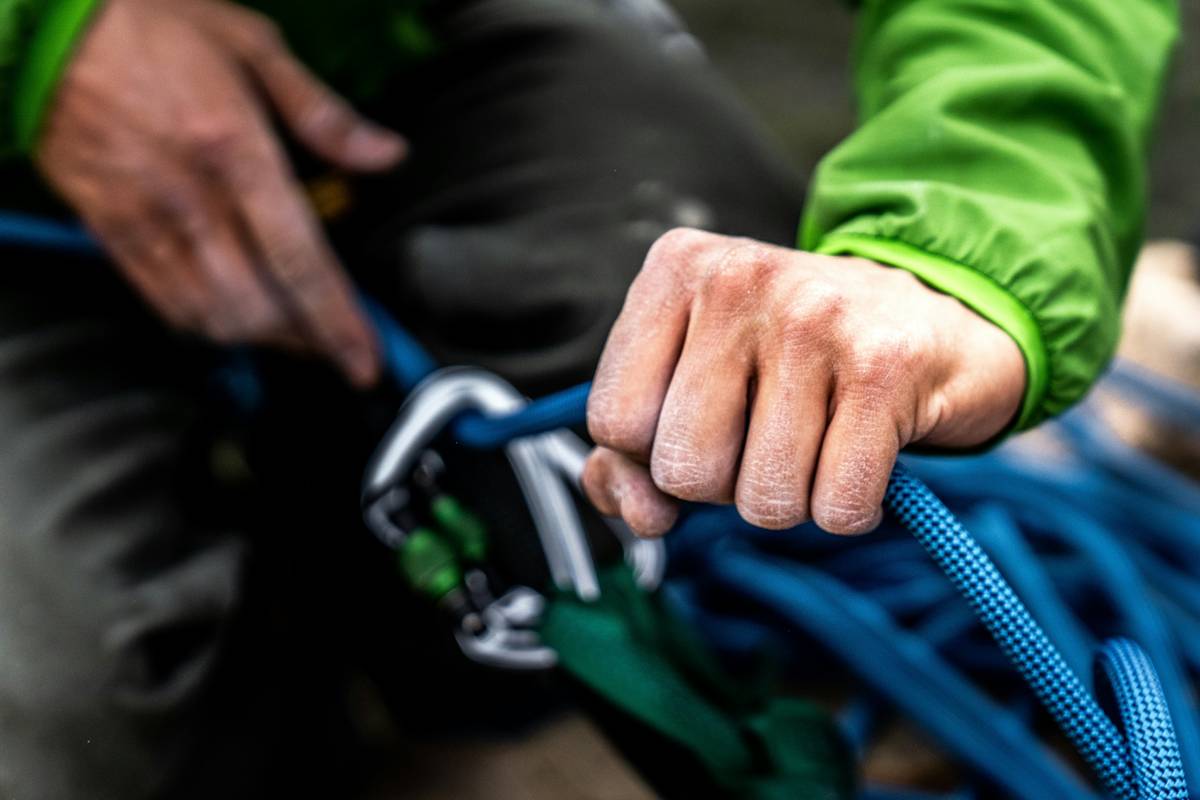
Ever placed a cam only to watch it spin uselessly on a slick granite face? Or trusted a nut that popped out with the faintest tug? If you’ve climbed long enough, you know route protection isn’t just gear—it’s your lifeline. And when it comes to route guard recommendations, generic advice won’t save you when gravity calls. This guide cuts through the fluff and delivers field-tested strategies for choosing, placing, and trusting your climbing protection—so you can send harder routes with confidence and come home safe.
Table of Contents
- Why Route Protection Matters (More Than You Think)
- Step-by-Step Guide to Smart Protection Choices
- Best Practices for Reliable Gear Placement
- Real-World Case Studies: What Works (and What Doesn’t)
- Frequently Asked Questions
Key Takeaways
- Not all placements are equal—even certified gear fails if improperly used.
- Your first piece off the belay should handle outward pull, not just downward force.
- Always check rock quality; soft sandstone or chossy flakes undermine even the best route guard recommendations.
- Redundancy is non-negotiable on trad leads—especially on runout pitches.
- Experience beats specs: learn from real climbs, not just gear catalogs.
Why Route Protection Matters (More Than You Think)
In travel-based adventure climbing—from Patagonia’s torres to Colorado’s desert cracks—your safety hinges on split-second gear decisions. Unlike sport climbing, where bolts are pre-placed, trad demands you become the architect of your own safety net. And here’s the uncomfortable truth: many climbers overestimate their gear’s holding power. According to a 2022 study by the American Alpine Club, improper placement accounted for nearly 38% of ground-fall incidents in trad climbing, surpassing rope failure or belayer error.
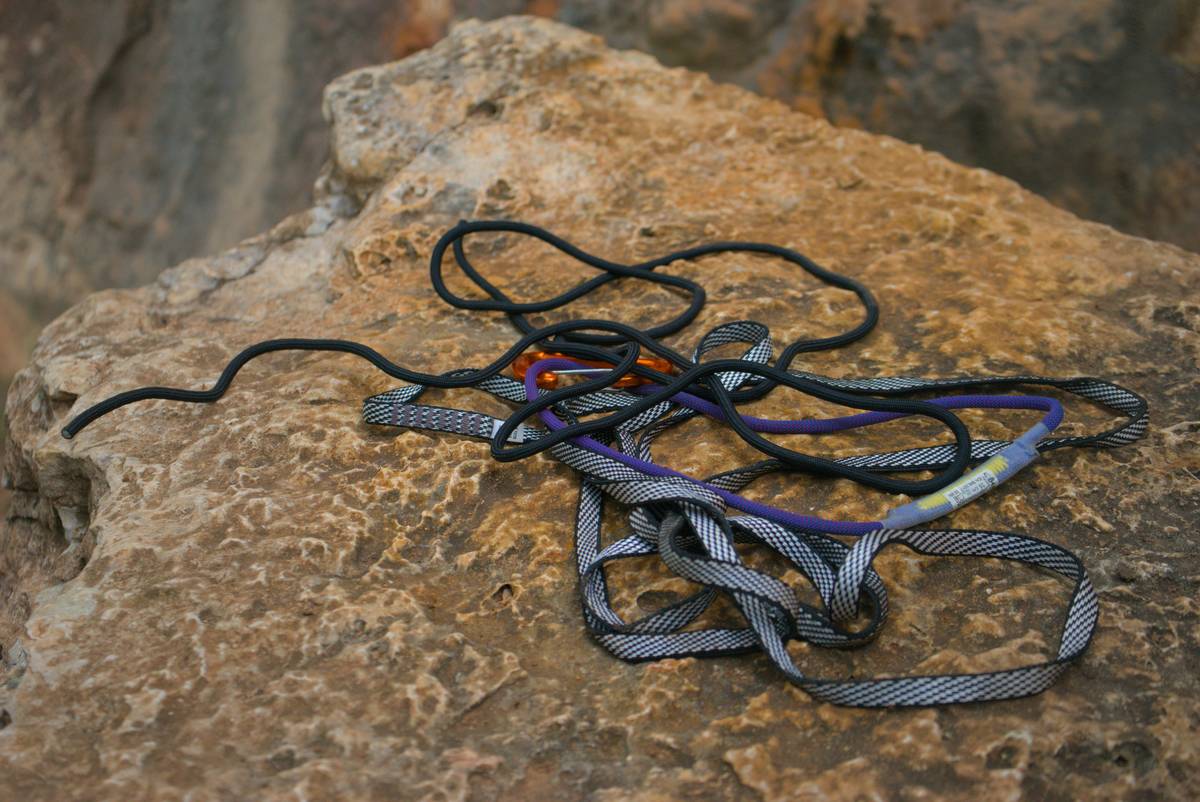
I learned this the hard way on a pitch in Indian Creek. Confident in my #3 Camalot, I took a whipper—and watched it rotate clean out of a flared slot. The fall wasn’t catastrophic, but the lesson was: gear specs mean nothing if the rock doesn’t cooperate. That’s why solid route guard recommendations must blend gear knowledge with geology awareness.
Step-by-Step Guide to Smart Protection Choices
Assess the Rock First
Before clipping anything, read the stone. Tap it—does it sound hollow? Is there lichen hiding a fracture? Sandstone, limestone, and granite each demand different strategies. For instance, cams excel in parallel granite cracks but can walk or slip in soft sandstone.
Prioritize Directional Stability
Your piece must resist force from the direction of a potential fall. A nut placed for downward pull might eject during a pendulum fall. Use extendable draws to reduce leverage and always consider fall vectors.
Test Before You Trust
Gently tug your placement. Does it shift? Does the rock flex? If yes, replace it. Never assume “it’ll hold”—because it might not.
Best Practices for Reliable Gear Placement
- Use redundancy on critical placements: On runout sections, place two pieces close together to back each other up.
- Avoid “hope placements”: That tiny RP in a questionable seam? Skip it. It creates false confidence without real security.
- Carry versatile racks: Include offset nuts, microcams, and a range of standard cams. One-size-fits-all doesn’t exist in trad.
- Maintain your gear: Inspect cams for bent axles, worn slings, or sticky triggers. Replace anything suspect—your life depends on it.
And here’s a terrible tip I once heard (and ignored): “Just clip a sling around that horn—it’s bomber.” Unless that horn has survived decades of weather and multiple test pulls, it’s probably a death block. Don’t be that climber.
Real-World Case Studies: What Works (and What Doesn’t)
In 2023, a team ascending the North Face of Mt. Conness relied on meticulous route guard recommendations from local guides and prior ascent reports. Their rack included Trango Big Bro for wide sections and DMM Torque Nuts for shallow pockets. Result? Zero gear failures across 12 pitches of alpine granite.
Contrast that with an incident documented by Mountain Project users in Red Rock Canyon, where a climber fell 25 feet after a hex pulled from friable sandstone. Post-fall analysis showed the piece was placed in a decomposing layer—avoidable with better rock assessment.
These outcomes reinforce what experts at American Alpine Club emphasize: gear selection is only half the battle. Context—rock type, weather, route history—makes the difference between success and emergency.
Frequently Asked Questions
What’s the best brand for route guard recommendations?
No single brand dominates—all top manufacturers (Black Diamond, Petzl, DMM) meet UIAA safety standards. Focus on fit for your local rock and personal preference. See our About Us page to learn how we field-test gear across diverse terrains.
How often should I replace climbing protection?
Inspect before every climb. Retire gear after any major fall, visible deformation, or corroded parts. Slings degrade faster—replace every 2–5 years depending on UV exposure.
Are passive cams safer than active cams?
Neither is universally “safer.” Passive nuts (like Stopper or Offset) rely on constriction and work best in tapered cracks. Active cams (e.g., Friends) offer quicker placements but require proper sizing. Mix both for adaptability.
Can I trust route guard recommendations from social media?
Use caution. Always cross-reference with official sources like guidebooks or organizations like the Mountaineers. User-generated content lacks consistency and verification.
Do I need special training for using route protection?
Absolutely. Self-teaching leads to dangerous gaps. Take a certified trad course—many local clubs offer them. Your safety isn’t worth DIY guesswork.
Where can I get personalized gear advice?
We’re climbers too! Reach out via our Contact Us page. And don’t forget to review our Privacy Policy if you share route logs or photos.
Choosing the right protection isn’t about buying the latest gadget—it’s about understanding forces, reading rock, and respecting the margin between boldness and recklessness. Follow these route guard recommendations, test every piece like your life depends on it (because it does), and climb with eyes wide open. Ready to refine your rack? Get in touch—we’d love to hear your stories and help you gear up smarter.