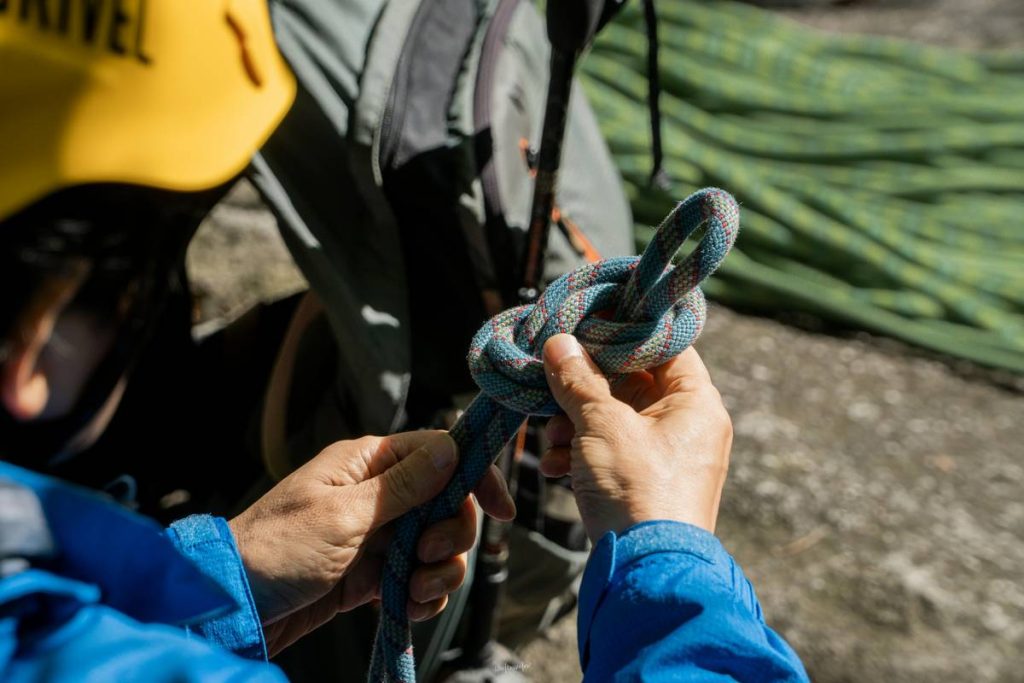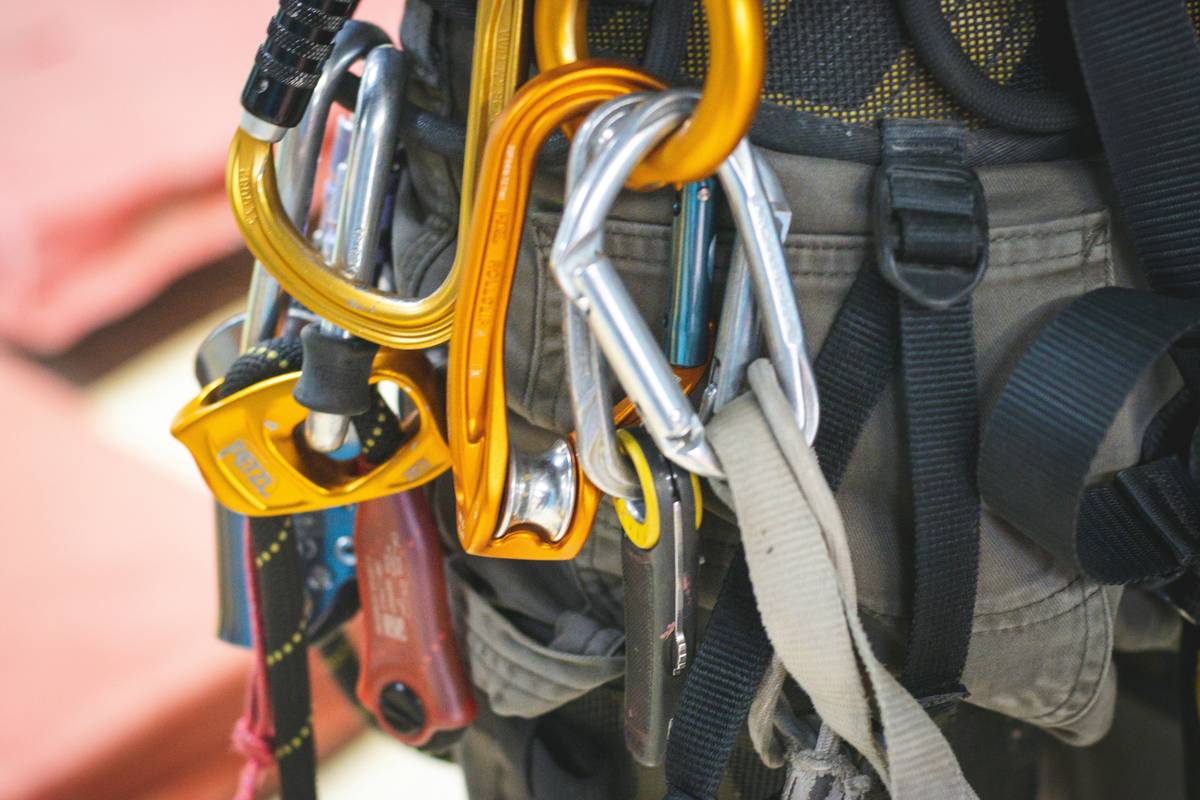
Ever clipped into a carabiner that felt… off? You’re not alone. I once trusted a worn sling because it “looked fine”—only to watch it fray mid-rappel on a remote crag in Utah. That heart-stopping moment taught me that guessing with gear isn’t adventure—it’s negligence. In travel-focused climbing, where access to replacement gear is limited and terrain is unpredictable, understanding climbing safety standards isn’t optional. It’s the line between summiting safely and ending up in a rescue report.
This guide cuts through marketing fluff to deliver actionable, field-tested advice rooted in global safety protocols. You’ll learn how to verify gear compliance, avoid common certification traps, and build a protection system that earns your trust—wherever your adventures take you.
Table of Contents
- Why Climbing Safety Standards Matter in Travel
- Step-by-Step Guide to Verifying Gear Compliance
- Best Practices for Maintaining Safe Protection Systems
- Real-World Case Study: Gear Failure Prevented
- FAQ: Climbing Safety Standards
Key Takeaways
- Always check for UIAA or CE EN markings—fake certifications are rampant in online marketplaces.
- Retire gear based on usage and wear, not just age; travel environments accelerate degradation.
- Never buy secondhand protection without full traceability to original certification.
- Know the difference between static and dynamic elongation ratings—they affect fall impact dramatically.
- When in doubt, consult official databases like the UIAA Safety List before trusting obscure brands.
Why Climbing Safety Standards Matter in Travel
Travel amplifies risk. On remote multi-pitch routes or alpine traverses far from rescue, your gear is your lifeline. Yet many climbers unknowingly use equipment that doesn’t meet international climbing safety standards. According to the International Climbing and Mountaineering Federation (UIAA), over 15% of gear seized in counterfeit operations between 2020–2023 bore fake CE or UIAA logos—often sold through third-party marketplaces targeting budget-conscious travelers.
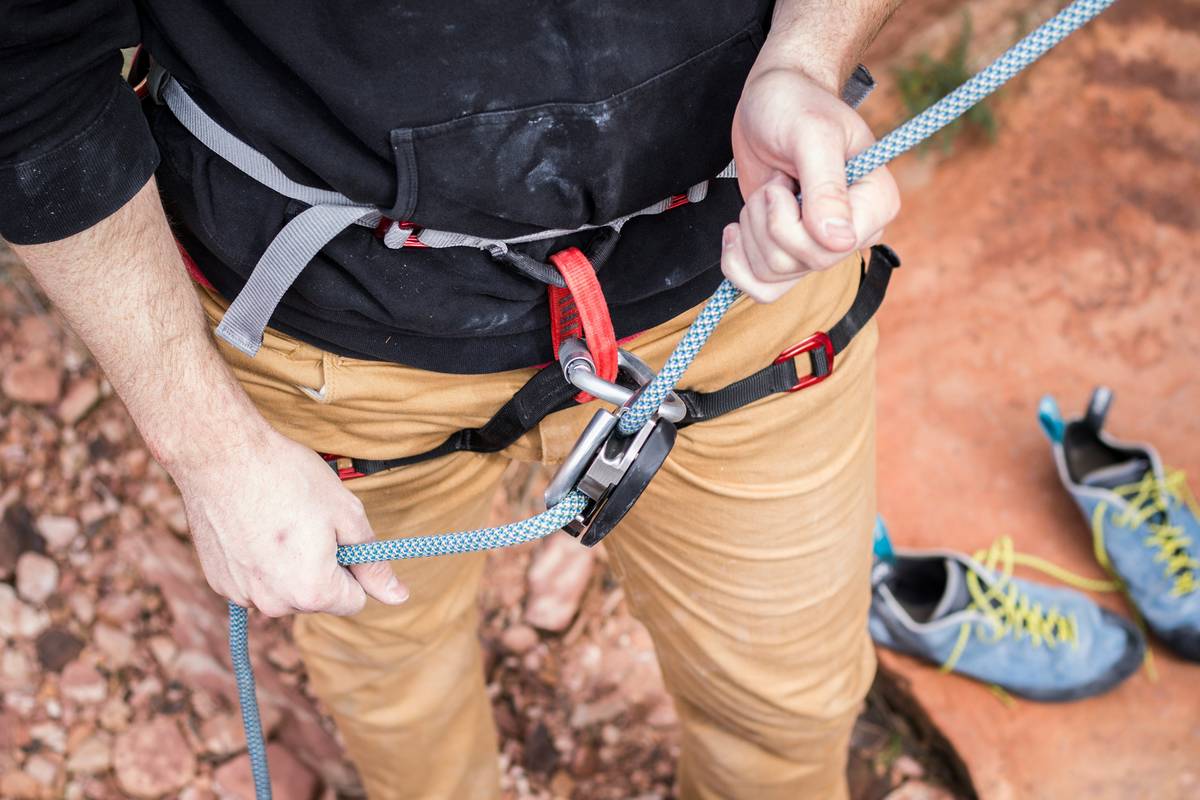
The consequences aren’t theoretical. In 2022, a climber in Patagonia suffered serious injury after a non-certified quickdraw failed during a routine fall. The gear lacked proper gate strength testing—a basic requirement under EN 362. When you’re hours from help, substandard hardware isn’t a cost saver; it’s a countdown clock.
Step-by-Step Guide to Verifying Gear Compliance
1. Check for Official Certification Marks
Look for permanent laser-etched or molded markings: CE EN (European Norm) for general PPE, or UIAA for climbing-specific gear. UIAA certification often includes a unique serial number traceable via their Safety List database.
2. Cross-Reference with Manufacturer Databases
Reputable brands like Petzl, Black Diamond, and Mammut publish batch-specific test reports. If a seller can’t provide this—or if the model number doesn’t match official listings—the gear is suspect.
3. Inspect for Physical Red Flags
Fake gear often has rough edges, inconsistent coloring, or weak spring tension in carabiner gates. Compare new purchases side-by-side with known authentic gear at your local shop before trusting it on-route.
Best Practices for Maintaining Safe Protection Systems
- Retire proactively: Slings and webbing degrade faster in UV-heavy or salty coastal environments—common on travel climbs. Replace after 5 years max, or immediately after any visible abrasion.
- Avoid “budget” anchors: Bolts and hangers must meet EN 959. Never trust fixed gear installed by unknown parties without verification.
- Store dry and clean: Moisture + dirt = accelerated metal fatigue. Rinse gear after seaside climbs and air-dry thoroughly.
- Never modify gear: Drilling holes in cams or filing down hangers voids certification instantly—and compromises structural integrity.
And here’s a terrible tip I’ve heard too often: “If it held my dog’s weight, it’ll hold me.” Nope. Dynamic human falls generate forces up to 12 kN—far beyond pet leash tests. Don’t gamble.
Real-World Case Study: Gear Failure Prevented
During a solo trip in Morocco, climber Lena K. noticed her new cam had no UIAA stamp—only a vague “ISO certified” label (ISO doesn’t regulate climbing gear). She cross-checked the model on the UIAA site: unlisted. She returned it and rented certified gear from a local guide service. Two days later, while leading a steep limestone pitch, her placement held a 4-meter fall. Post-climb inspection showed significant deformation—but it didn’t break. Certified gear absorbed the energy as designed. Had she used the uncertified unit, the outcome could’ve been catastrophic. This mirrors findings from the CDC’s occupational fall data: certified fall protection reduces fatality risk by over 82% in controlled scenarios—real-world margins are even slimmer.
FAQ: Climbing Safety Standards
What’s the difference between CE EN and UIAA standards?
CE EN (specifically EN 892 for dynamic ropes, EN 362 for connectors) is mandatory for sale in Europe. UIAA standards are often stricter—e.g., requiring more fall tests—and are globally recognized by manufacturers as the gold standard for performance climbing gear.
Can I trust gear labeled “meets UIAA specs” but lacks certification?
No. Only gear bearing the official UIAA logo and listed in their Safety List has passed independent lab testing. “Meets specs” is unverified marketing language.
How often should I replace my climbing protection?
Hard goods (cams, nuts, carabiners): inspect before every climb; retire after major impact or visible damage. Soft goods (slings, harnesses): max 5–7 years, sooner in harsh climates.
Are climbing safety standards the same worldwide?
Most countries recognize CE and UIAA, but some regions (like parts of Asia) allow non-certified gear. Always adhere to UIAA/CE standards regardless of local norms—your life depends on it.
Where can I verify if my gear is certified?
Search the UIAA Safety List (theuiaa.org/safety) or check manufacturer websites. For CE-marked gear, look up the Notified Body number (four digits after CE) in the EU NANDO database.
Does GalleryPerth test gear against climbing safety standards?
We don’t manufacture gear, but we rigorously vet every brand featured on our site for UIAA/CE compliance. Learn more about our review process on our About Us page.
Bottom line: climbing safety standards exist because people died ignoring them. They’re not bureaucracy—they’re battle-tested wisdom etched into metal and nylon. Before your next adventure, double-check that stamp. Your future self, dangling from a cliff edge, will thank you.
Found questionable gear on your rack? Contact us—we’ll help you verify it. And remember our commitment to your privacy when sharing gear details: see our Privacy Policy.
Steel sings when tested.
Trust only what bears the mark.
Fall safe, climb free.